What to Wear & Pack for Howth Walks
Practical advice on footwear, layers, and essentials for a comfortable afternoon exploring the harbour wall and lighthouse areas.

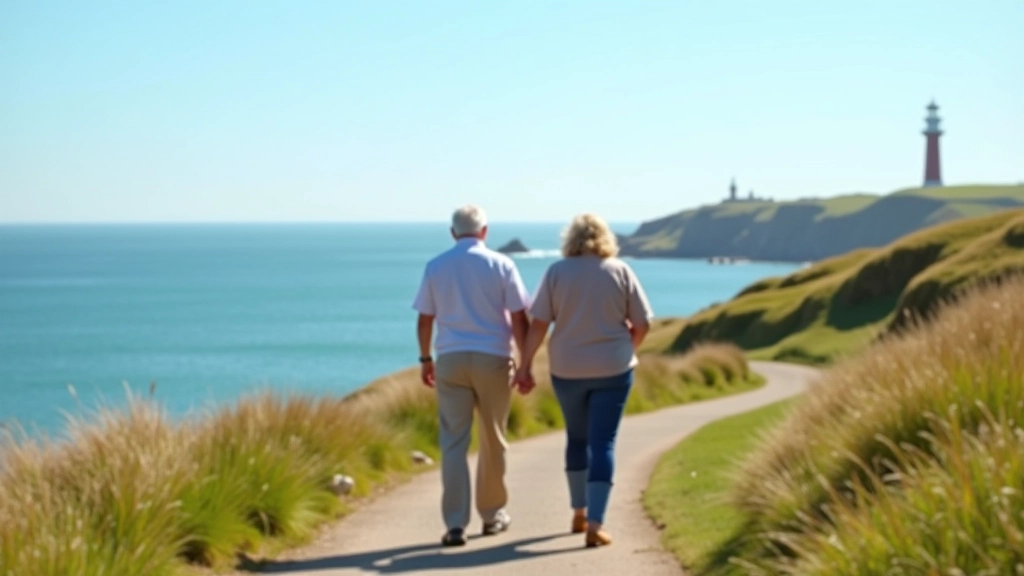
You're planning a walk around Howth. Great decision. The harbour wall is beautiful, the lighthouse is worth the trip, and the East Cliff Loop offers views that'll surprise you. But here's the thing — the weather changes fast out there. One hour it's sunny, the next you're facing a proper Atlantic wind. That's why knowing what to pack matters.
The good news? You don't need expensive gear or complicated layers. You just need to understand what actually works. We'll walk you through the essentials, from shoes to sun protection, and explain why each item matters. This isn't theory — it's what works for people who walk these paths regularly.
Footwear — Your Most Important Decision
Start with your feet. Seriously. A good walk goes wrong fast when your feet hurt, and Howth's paths demand shoes that grip properly.
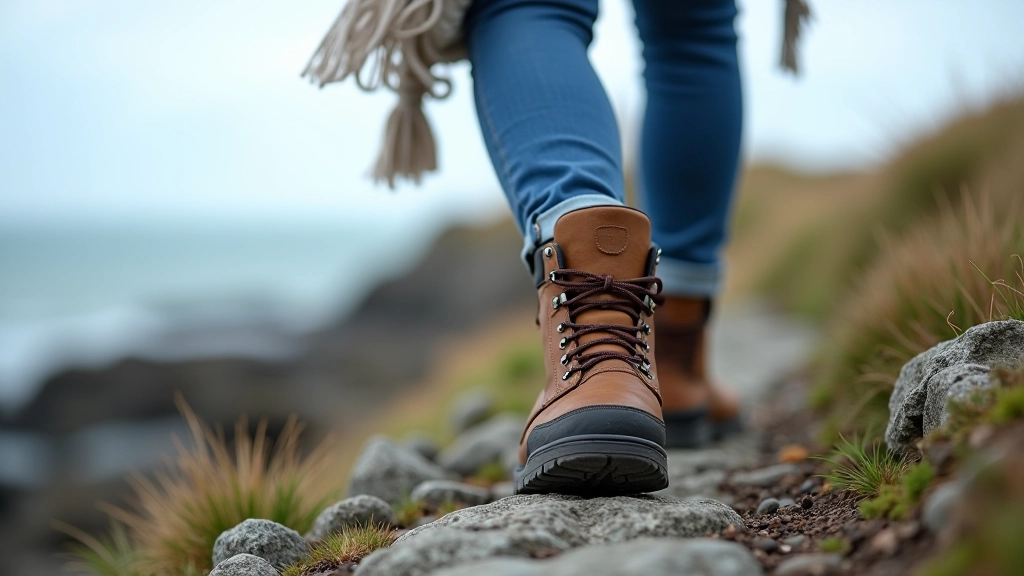
You'll want walking shoes with solid ankle support — not trainers, not casual shoes. The paths around the harbour wall aren't steep, but they're rocky and uneven. You're looking for shoes with a thick, textured sole that grips wet surfaces. Why? Because the rocks near the water are slippery, especially after rain. Waterproof helps too. You don't need expensive hiking boots; mid-range walking shoes (€60–€100) work perfectly.
A practical tip: break in new shoes at home first. Wear them around the house for a few days before your walk. Blisters from new shoes will ruin the experience.
Shoe Checklist
- Ankle support (not trainers)
- Textured, gripping sole
- Waterproof or water-resistant
- Already worn in at home
Layers — The Real Weather Solution
Dublin's coast has its own weather system. It's not dramatic, but it's unpredictable. You might leave your house in 15°C and experience 12°C wind chill at the lighthouse. That matters.
Forget trying to predict what you'll need. Instead, layer. Three layers work: a moisture-wicking base (cotton works, but merino wool is better), a mid-layer for warmth (fleece or lightweight wool), and a windproof outer layer.
The outer layer is crucial. Wind off the Atlantic cuts through single layers. A lightweight waterproof jacket (€40–€80) is the single best investment you'll make. You'll use it on half your walks, even if it doesn't rain. And you can remove layers as you warm up. That flexibility is everything.
Don't overthink it. Most people pack one too few layers, not too many. You'd rather have something you don't need than wish you'd brought it.
Weather Awareness Note
This guide is informational only. Weather conditions on the Howth coast change rapidly. Always check the Met Éireann forecast before your walk and be prepared to turn back if conditions deteriorate. High winds, rough seas, and slippery surfaces are real hazards. Wear visible clothing and stay on marked paths.
Sun Protection & Hydration
The sun reflects off water. Even on cloudy days, you're getting exposed. Sunscreen matters here more than you'd think.
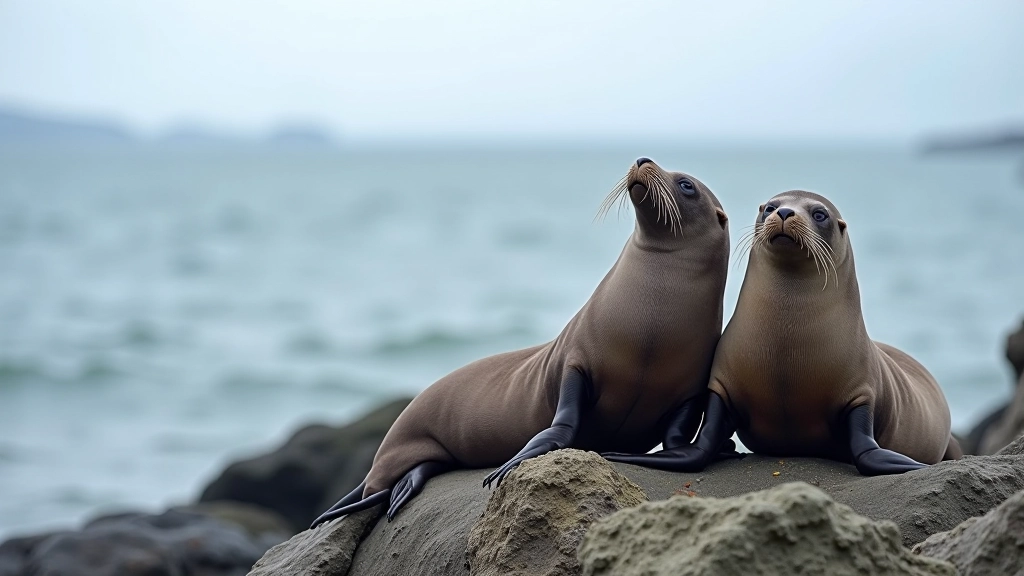
SPF 30 minimum, and reapply every 90 minutes if you're out that long. Lip balm with SPF saves your lips — that's a detail people miss. A hat helps too. Not just for sun; it blocks wind from your face and keeps the glare down so you can actually see the seals.
Water. Bring more than you think you'll need. A 500ml bottle is the minimum, but a litre is better. You don't realize how much you're walking until your throat's dry and the next café is still 20 minutes away. The walk from the pier to the lighthouse takes about 40 minutes. That's longer than most people expect.
Sunscreen
SPF 30+, reapply every 90 min
Water Bottle
1 litre minimum, 500ml too small
Hat or Cap
Protects from sun and wind glare
Lip Balm
SPF 30+, often forgotten
What Goes in Your Bag
You don't need a massive rucksack. A small daypack (20–30 litres) holds everything. Here's what actually matters:
Your phone — bring it. Not for taking endless photos, but because you might need to call for help, check the time, or look up where you are. Put it in a waterproof bag or use a waterproof case (€5–€15).
A small first aid kit — plasters, antiseptic wipes, pain relief. You won't need it most walks, but when you do, you'll be grateful.
Snacks — energy bars, nuts, fruit. Walking burns calories faster than you realize. A banana and a handful of nuts prevent that 3pm energy crash.
Tissues — coastal wind makes your nose run. One small pack saves the day.
A light torch or headlamp — only if you're walking in winter months when sunset's early. The paths don't have street lights.
That's genuinely it. You're not hiking Everest. You're walking 3–4 kilometres on a well-marked coastal path.
The Real Point
Good preparation isn't about having fancy equipment. It's about being comfortable enough to actually enjoy what you came for. You're walking to see the lighthouse, watch the seals, feel the wind off the water, and remember why you love the coast. None of that happens if you're cold, thirsty, or limping from sore feet.
Start with proper shoes and a waterproof jacket. Layer your clothing. Bring water and sun protection. Pack snacks. Everything else is optional. You've got this. The walk's waiting.