
Where the Seals Are
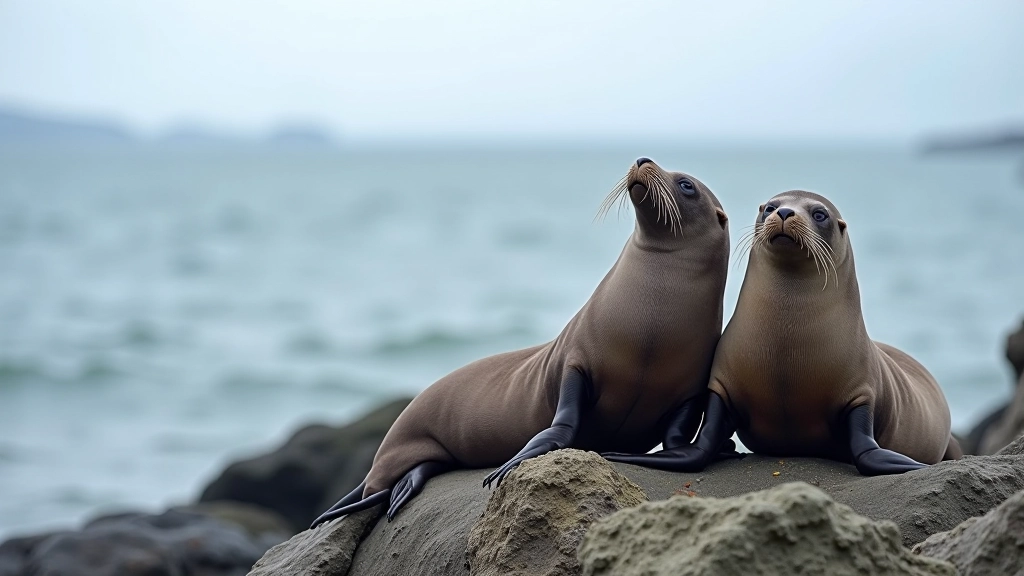
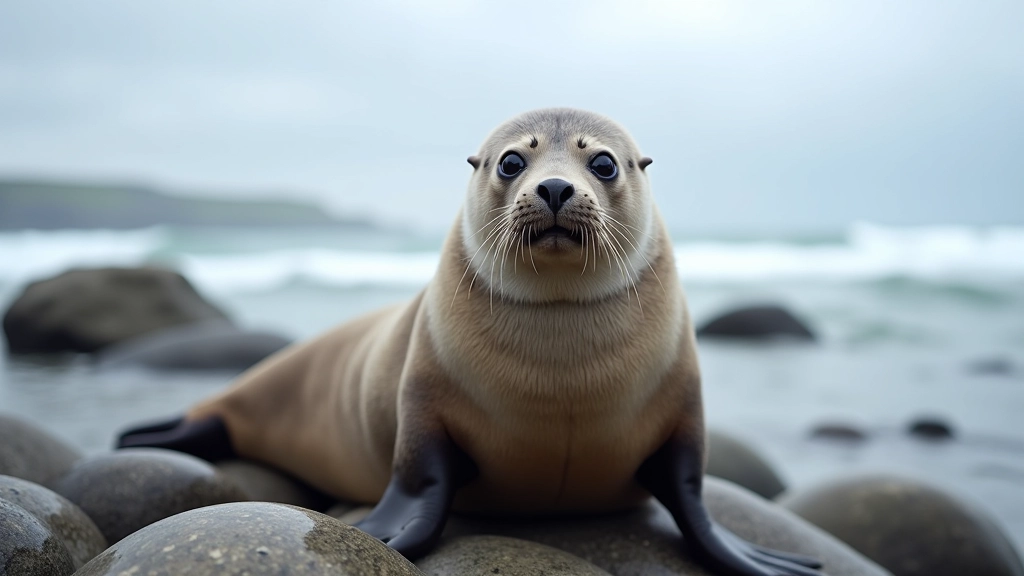
Howth's got some of the best seal watching in Dublin — seriously. You'll find grey seals hauled out on the rocks, especially around the pier and along the East Cliff Loop. The thing is, these seals aren't shy, but they're not tame either. You've got to know where to look and when to look.
The main spots are the rocky outcrops just off the pier walkway. On a calm day you'll see them stretched out, sometimes ten or fifteen at a time. They're curious creatures, so they'll watch you watching them. Don't get too close though — if they feel threatened, they'll slip back into the water pretty quickly. The general rule: stay at least 10 meters away and never block their escape route to the sea.
Peak Viewing Times
Early morning and late afternoon are your best bets. You'll want to arrive before 8am or after 4pm when there's less foot traffic. The seals are more likely to be hauled out during these quieter times, just relaxing and soaking up whatever warmth they can get from the rocks. Plus, the light's better for photography in these hours.
Tidal Patterns & Your Advantage
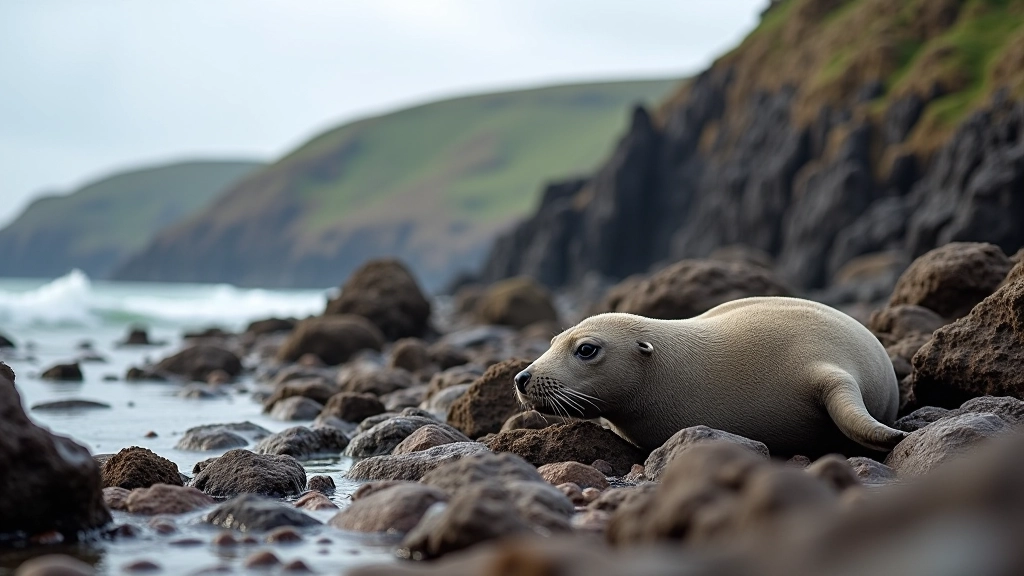
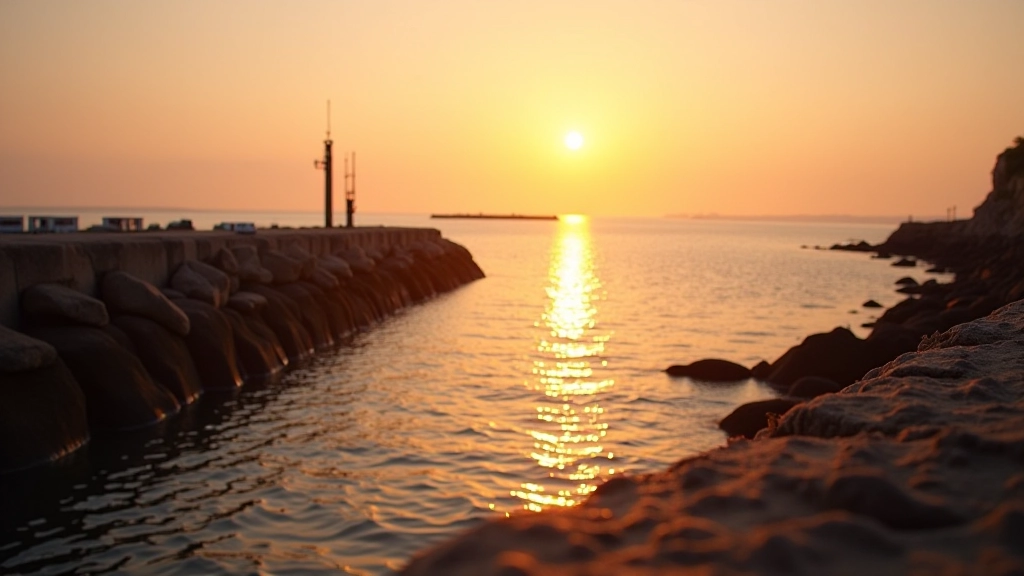
Tides matter more than you'd think. Low tide's when seals come ashore to rest — they need to get out of the water to regulate body temperature and just take a break. The rocks are exposed, and there's more space. High tide pushes them back into deeper water. Check the tide tables before you go. Dublin's got about a 2-meter tidal range, which is significant.
The best windows are roughly 2 hours either side of low tide. That's when you'll see the most seals. You're not waiting around for hours either. Plan a 3 to 4-hour visit and you'll catch prime sealing time. Plus, lower tides mean safer walking — more rocks to step on, less slippery surfaces.
Quick Tip
Download a Dublin tide app or check tide tables online before heading out. Low tide times change daily — sometimes it's 6am, sometimes 3pm. Don't guess.
Note: This guide is informational. Seal behaviour varies by season, weather, and individual animal disposition. Always respect wildlife distance guidelines. If seals appear distressed or injured, contact the Irish Wildlife Trust. Weather conditions change rapidly on the coast — check forecasts and be prepared for sudden wind or rain.
Year-Round Seal Patterns
Seals are around year-round at Howth, but populations shift. Summer's busier — more tourists and more seals basking. Autumn brings breeding season for grey seals, and they're more territorial. You'll hear them, actually. They make these weird growling sounds, especially the males. It's not aggressive — just them being seals.
Winter's quieter for both humans and seals, but it's not empty. Fewer people means better viewing if you're hardy enough to handle the cold and wind. Spring brings pups — not common at Howth, but you might see juveniles. The water temperature drops below 10°C in winter, so the seals are hunting more, spending less time on rocks.
- Spring (March-May): Juveniles visible, moderate seal numbers, unpredictable weather
- Summer (June-August): Peak seal numbers, busiest with tourists, best light for photos
- Autumn (September-November): Breeding season, seals more vocal and territorial
- Winter (December-February): Fewer seals visible, quieter, colder conditions
What Else You'll See
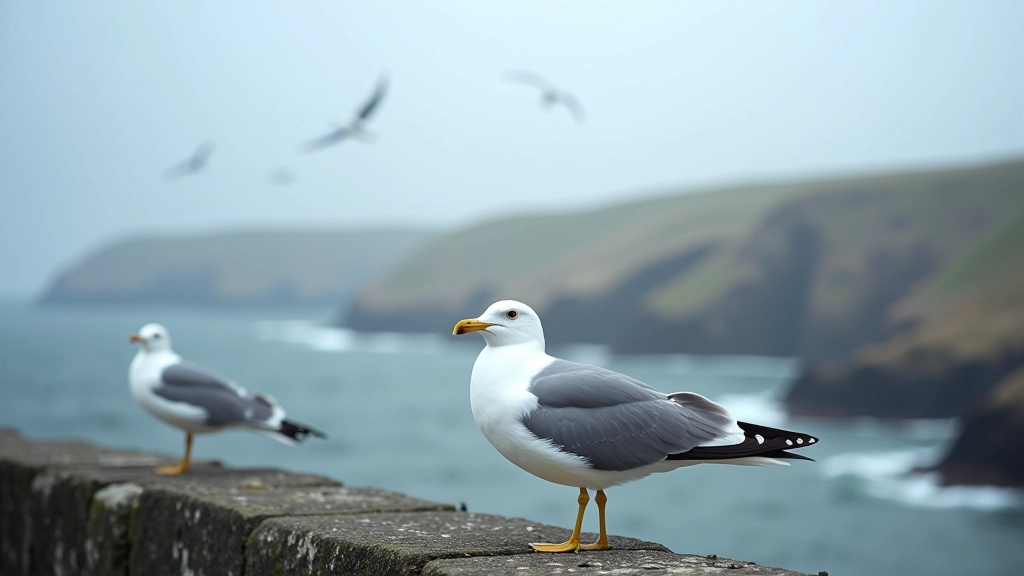
You won't just see seals. The rocks host guillemots, cormorants, and various gulls. There's a whole ecosystem happening. In summer, you might spot gannets diving offshore — they're dramatic, fast-moving birds. The water itself changes color depending on light and season. Don't be surprised if you spend more time just watching everything than specifically looking for seals.
Bring binoculars if you've got them. Not essential, but they help you see seal details without creeping closer. You'll notice scars, different colorations, and individual personality quirks. Some seals are curious and will lift their heads to watch you. Others barely move. It's genuinely interesting stuff if you pay attention.
Getting There & Staying Safe
The pier's accessible by walking from Howth village or taking the DART to Howth station. From there it's about a 15-minute walk. The East Cliff Loop starts from the pier area and takes you along more dramatic coastline if you want to explore further.
Safety's straightforward: wear good shoes with grip, watch the weather, and never turn your back on the sea. Waves can surprise you. The rocks are uneven and sometimes slippery. If you're walking with older family or friends, take your time. There's no rush. The seals aren't going anywhere, and neither should you.